Stronger Together: Libraries, Makerspaces, and Councils Powering Community Repair
Today we dive into Partnership Models: Libraries, Makerspaces, and Local Councils Supporting Public Repair Events, spotlighting how trusted civic spaces, hands-on creative hubs, and local governance unite to reduce waste, spark learning, and build resilient neighborhoods. Expect practical guidance, lived stories, and tools you can borrow, adapt, and share. Join the conversation, tell us what works in your town, and subscribe to help grow a welcoming network where broken things—and disconnected neighbors—find a second chance.
From Shelves and Soldering Irons to Shared Purpose
{{SECTION_SUBTITLE}}

The Library Advantage
Libraries hold trust, access, and rhythms already familiar to families, elders, and newcomers. Meeting rooms become welcoming workbenches; staff help translate instructions into plain language; catalogs point to repair manuals and sewing patterns. A children’s corner can host tool-safety storytelling, while quiet hours become inclusive repair times. One librarian recalled a shy patron who learned to fix headphones, then returned proudly with a mended toaster, offering cookies to every volunteer who cheered them on.
Makerspace Momentum
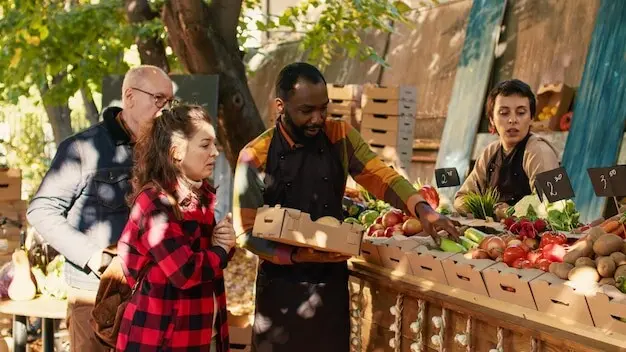
Makerspaces bring tools, mentors, and playful problem-solving that turns anxiety into experimentation. A broken lamp becomes a lesson in multimeters; a torn jacket, a story about durable stitches. Experienced members model patience, celebrate partial wins, and maintain equipment so first-timers feel safe. By pairing novices with gentle guides, these spaces transform fear of failure into curiosity. That spirit multiplies when shared beyond membership walls, traveling into neighborhoods through pop-ups, kits, and open invitations.
Clear Agreements, Real Trust
Memoranda of understanding can be friendly, brief, and precise. Who supplies ESD mats? Which partner stores forms? How are photos consented and credited? Keep contacts up to date, renewal dates visible, and responsibilities balanced. A shared checklist, posted in storerooms and shared drives, prevents confusion. When everyone knows what “ready” looks like, volunteers arrive confident, and coordinators can calmly greet newcomers instead of hunting for tape, power strips, or forgotten sign-in sheets.
Insurance and Safety Without Anxiety
Partner with risk officers early and invite them to watch a session. Seeing careful triage, safety goggles, and PAT-tested leads builds confidence. Post clear disclaimers that repairs are educational, not commercial services. Keep extinguisher locations obvious, first-aid kits stocked, and sharps containers labeled. A short, friendly safety briefing sets expectations while preserving joy. Document incidents without blame, focus on learning, and share improvements across venues so every week becomes safer and smoother for everyone.



People Power: Volunteers, Hosts, and Learners
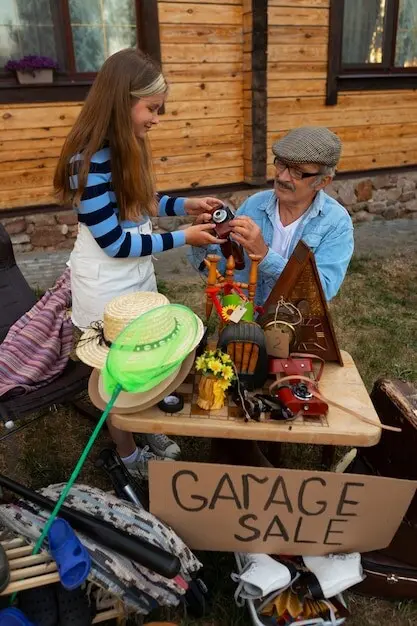
Tools matter, but relationships do the real lifting. Volunteers model patience and creative diagnostics; hosts shape a welcoming vibe; learners bring curiosity and courage. Together they create momentum that outlives any single event. Successful partnerships nurture diverse entry points, from greeting at the door to advanced electronics troubleshooting. Recognition rituals—simple thank-yous, badges, or spotlight stories—turn goodwill into continuity. When people feel seen and supported, they keep returning, inviting friends, and sharing newfound repair confidence at home.
Designing Events That Run Like Clockwork
Smooth flow respects participants’ time and reduces stress for hosts. Clear signage, welcoming intake, and steady triage keep stations humming. A parts library, loaner kits, and labeled bins prevent chaos. Accessibility planning matters: step-free routes, good lighting, and quiet spaces broaden who can participate. When logistics are thoughtful, every conversation feels calmer, learning lands deeper, and fixes finish more often. People leave with working items and a story about neighbors who cared enough to help.
Intake and Triage That Respect People
Greet with names, not numbers. Use short forms that capture symptoms, age of item, and any prior attempts. Triage stations route textiles, electronics, or bikes efficiently, while setting gentle expectations about time and outcomes. Invite owners to participate safely, holding flashlights or stitching seams. Even when an item cannot be saved, a dignified explanation, photos for future reference, and resource suggestions turn disappointment into learning. Respect builds return visits and word-of-mouth invitations.
Workstations, Tools, and Safer Practices
Each table should have a purpose and a reset ritual: mats, bins, isopropyl, cable testers, sewing kits, spare buttons, and screwdrivers labeled by size. Post laminated quick guides and QR codes for manuals. Use color-coded tape for power leads and safety zones. Calibrate tools regularly and log maintenance. Makerspaces can loan specialty equipment; councils can provide extension reels and signage; libraries can host how-to books beside the queues. Prepared stations transform chaos into confident collaboration.
End-of-Life Decisions and Material Flows
Not every repair succeeds, and that is okay. Prepare pathways for responsible recycling, salvage of parts, and creative reuse workshops. Keep a small parts library—zippers, switches, belts—sourced from donor items. Record why repairs failed to inform future training. Partner with council waste teams for pickups and reporting. By honoring materials even when items retire, events model circular respect, helping participants see value beyond the bin and encouraging mindful purchases next time.
Money, Materials, and Long-Term Resilience

Grants, Sponsorships, and In‑Kind Support
Libraries can anchor applications with civic purpose, makerspaces contribute technical credibility, and councils align bids with waste-diversion targets. Ask local retailers for fabric offcuts, cables, or lightbulbs. Set clear recognition guidelines that protect the welcoming feel—thank sponsors without turning sessions into ads. Track donated hours and materials to tell a fuller impact story. Small recurring grants, reliably renewed, often beat one flashy award that vanishes before habits and communities fully form.
Budgeting for What Actually Matters
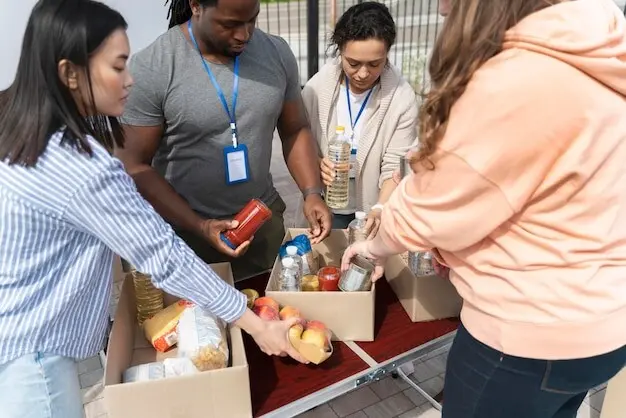
Start with essentials: safety gear, consumables, signage, storage crates, and a small contingency for broken tools. Budget time as seriously as money by protecting coordinator hours and volunteer onboarding. Share inventories across sites to avoid redundant purchases. Pilot before scaling, then document costs per session and per fix. Post a simple dashboard for partners so decisions feel shared. Spending that mirrors real workflows prevents surprises and frees creativity for better learning and hospitality.

Measuring Value Beyond Currency
Count weight diverted and items restored, but also track skills gained, friendships started, and confidence reported by participants. Invite short testimonies with consent, and note repeat visits. Use simple before-and-after photos and accessible captions. Share results in council reports, maker newsletters, and library displays. When neighbors see their efforts visualized, they renew commitment enthusiastically. These stories, paired with credible metrics, help justify venue access, microgrants, and policy shifts that keep repair visible and vibrant.
Stories That Travel and Communities That Grow
Narrative is the bridge between one joyful evening and a year of momentum. Photos, quotes, and quick lessons help events echo into classrooms, council chambers, and kitchen tables. Inclusive language welcomes newcomers who think they have “two left thumbs.” Sharing generously—what went wrong, what surprised you—models courage. Invite readers to comment, subscribe for tool tips, or propose a co-host venue. When stories circulate, so does confidence, and soon every neighborhood recognizes repair as ordinary care.
Go where people already gather: market days, school fairs, faith halls, laundromats, and bus stops. Translate flyers, add large type, and include transit directions. Record short reels featuring real neighbors, not polished actors. Partner with youth media clubs to co-create content. Rotate event times for shift workers and caregivers. A grandmother once arrived after seeing a notice on the library printer; she left with a humming sewing machine and three new friends from her street.
Capture fixes as mini-guides: clear photos, tool lists, and honest difficulty ratings. Host them in a library-curated collection, with makerspace annotations and council links to recycling data. Keep instructions respectful of beginners and specific enough for repeatability. Credit volunteers by name, with consent, and celebrate collaborative problem-solving. Over time, this archive becomes a community textbook. It also eases volunteer onboarding, allowing new fixers to learn patterns before they ever touch a stubborn screw.
Close every announcement with a gentle ask: bring a friend, share a story, or donate a spare tool. Offer a simple newsletter focused on upcoming sessions, volunteer spotlights, and beginner tips. Invite councils to share circular updates, and libraries to showcase relevant books. Makerspaces can propose monthly challenges, like zipper month or lamp month. Tell us how you adapt these ideas locally, and we will highlight your insights, credit your team, and help neighbors everywhere learn by doing.
All Rights Reserved.